

Calvert Cliffs State Park
Lusby, MD
Dramatic 100-foot Miocene-era fossil cliffs drop directly into the Chesapeake Bay, yielding shark teeth and ancient marine fossils washed up on a remote beach.
Photography Guide
- Best Time
- golden hour
- Crowds
- Moderate
- Shot Types
- landscapewidedetail
- Best Seasons
- springfall
Author's Comments
The walk in is longer than people expect. Two and a half miles each way through mixed hardwood forest that is pleasant enough but does not prepare you for what the trail opens onto at the end. The cliffs appear suddenly, golden and crumbling, rising a hundred feet straight out of the Chesapeake. They are older than almost anything else you can photograph in this region. Miocene sediment, fifteen million years of it, still shedding shark teeth onto the beach with every tide. I go in late October, when the hardwoods along the trail are turning and the bay has lost its summer haze. Golden hour is when the cliffs earn their name, the low sun raking across the face of them and turning the sand a color that does not quite exist at any other time of day. The beach is narrow and the angle is unforgiving, so I usually work from two positions: wide from down the beach where the cliffs recede into the distance and the scale reads properly, and close in, where the texture of the sediment layers becomes the photograph. Then there is the ground itself. Heads down, everyone combing the tideline for the small black triangles of ancient teeth. It is a strange and quiet activity to watch, a beach full of people looking for something fifteen million years old while the light fails behind them. Bring a small bag. Bring more time than you think you need for the walk back, because you will not want to leave until the cliffs have gone fully to shadow.
Gallery
You might also like
Nearby Places
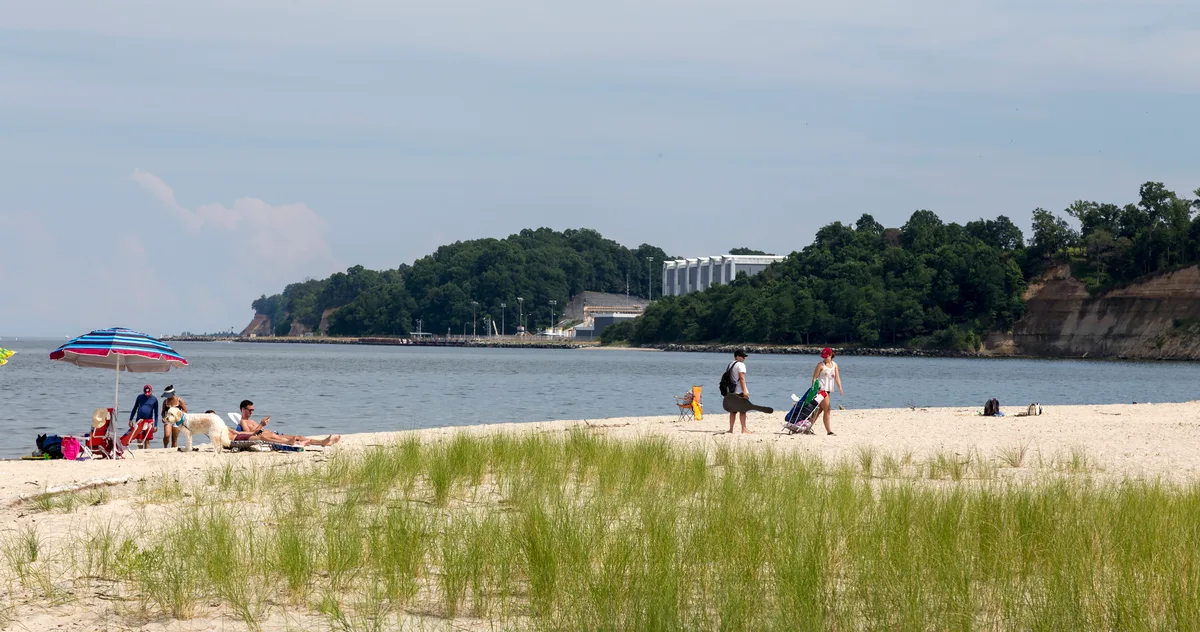
Lusby, MD
Flag Ponds Nature Park
A hidden Chesapeake Bay beach backed by freshwater ponds and forested bluffs on Calvert County's undeveloped western shore. Fossil shark teeth wash up on the beach regularly and the bay views are completely unspoiled.
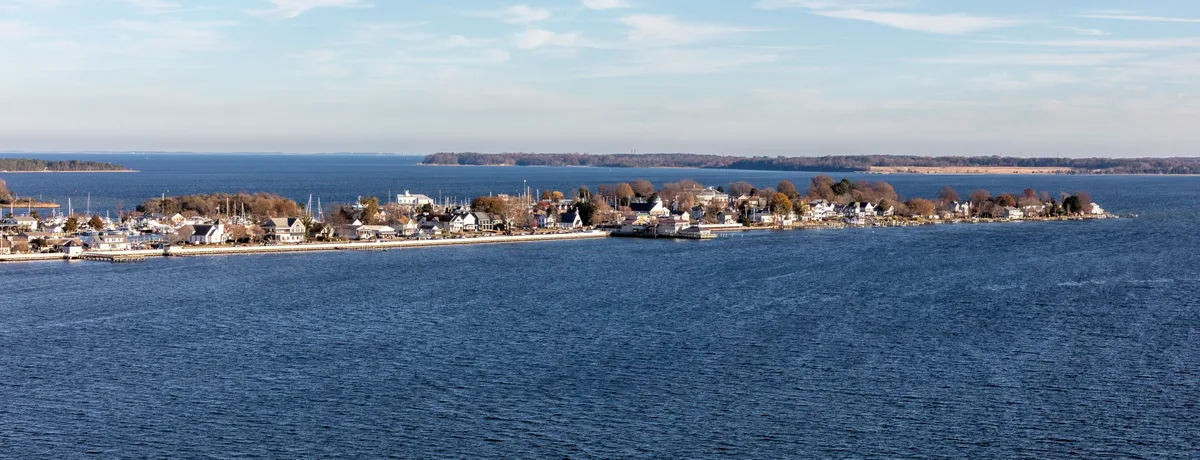
Solomons, MD
Solomons Island Waterfront
A maritime village at the confluence of the Patuxent River and Chesapeake Bay, Solomons Island's working waterfront, wooden skipjacks, and views across the open bay make it one of the most photogenic coastal villages in Maryland.
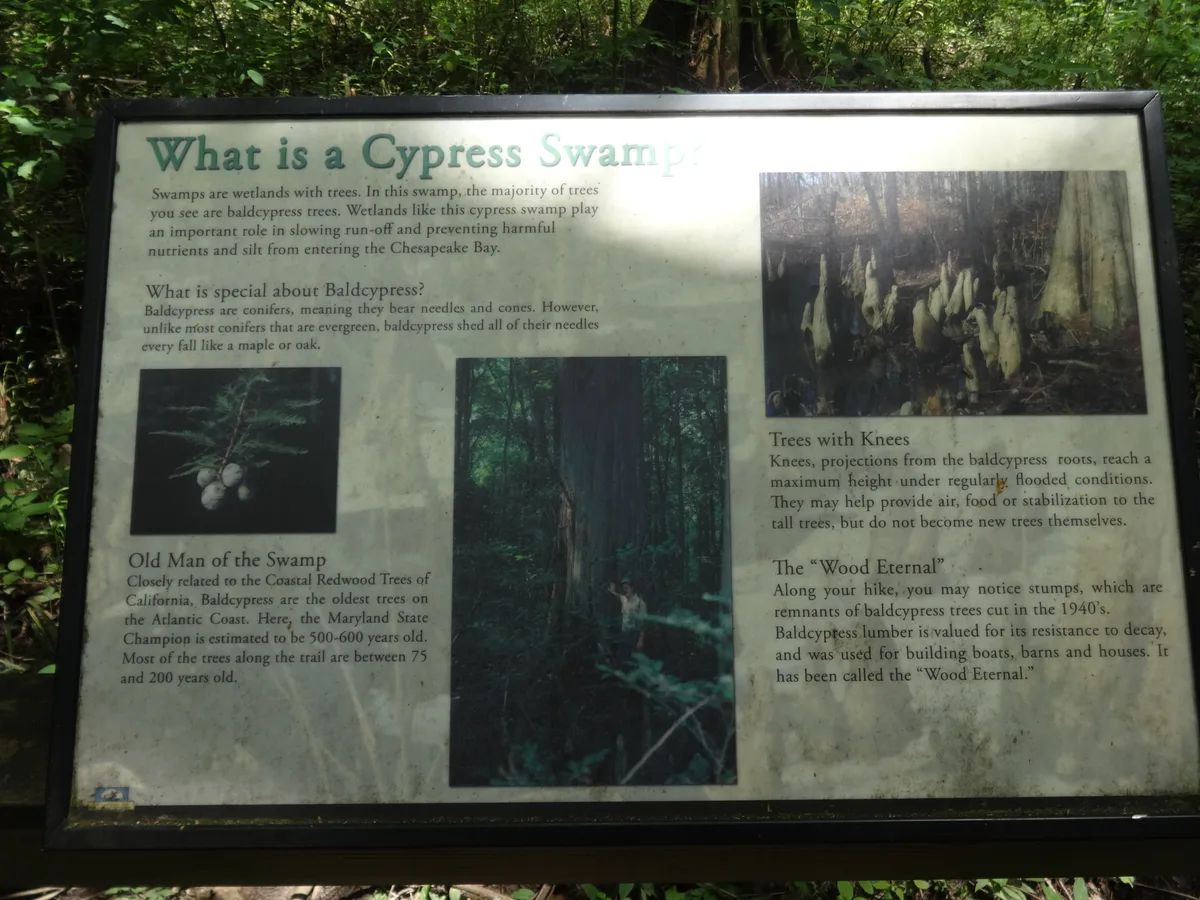
Prince Frederick, MD
Battle Creek Cypress Swamp
One of the northernmost stands of old-growth bald cypress in North America - a boardwalk winds through 100-foot cypress draped in resurrection fern above black tannic water, creating an atmospheric primordial landscape.